
BSE-listed companies' market capitalisation reached Rs 197.7 trillion on January 21, against India's nominal GDP of Rs 190 trillion during 12 months ended December 2020.

Over the three-month period, Airtel's stock price has rallied from Rs 432 to Rs 540, while Vodafone Idea has risen from Rs 9.2 to Rs 11.8 per share.
The firm is on course to replace state-owned Gail India in the widely-followed index during the semi-annual review set for March.

Currently, TCS is India's second most valuable firm after Reliance Industries, which has a market cap of nearly Rs 12.9 trillion.

This is first time in 25 years that a benchmark equity index in India is trading at a P/E multiple of 40x or higher.

Tata Sons stake in the group's listed companies is now worth Rs 9.28 trillion, up 34.4 per cent on a year-on-year (YoY) basis. In comparison, the Government of India's stake in listed central public sector undertakings (PSUs) is currently valued at Rs 9.24 trillion

More people seemed to be returning to their workplaces towards the end of the year, even as railway and electricity numbers disappointed. Most other indicators held on to their gains.

The growth was led by family-owned companies and business groups with presence in pharmaceuticals, information technology services, and consumer products.

Rs 1,000 now buys $13.5 against $14 a year ago.

Mutual funds aspirants have the option of snapping up smaller AMCs or applying for a new licence.

'We know that returning money to unitholders at the earliest is the first and most important step towards resurrecting our brand and regaining investor trust.'

Some analysts see more upside in FMCG stocks given the performance gap between the sector and the market.

In rupee terms, India's market cap is currently about Rs 184 trillion - 90 per cent of the GDP of Rs 203 trillion for FY20 at current prices.

'Investors should put their money in stocks where the margin of safety is high.'
Shares of all the 14 companies are currently trading above their issue price.

Experts said banking is a play on the economy and the latest buying into this space is underpinned by hopes of a sharper-than-expected recovery in the economy.
Business Standard tracks pollution levels, goods ferried by the Indian Railways and consumer visits to various categories of places, in addition to power generation and traffic numbers to understand the fast-changing situation on the ground.

Assuming that the value of LIC's holding has risen in line with the markets, its portfolio size today could be around $86 billion, higher than the previous record of $84 billion in March 2018.
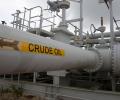
There is positive correlation between crude oil prices and Indian equities and investors can expect more upside after the recent rally in Brent crude price.

The total default is said to be in excess of Rs 3,000 crore - making this the largest default by a broker.
